
Beyond the Buzzword: The Misuse of Narcissism and the Importance of Clinical Precision
By Dr. Udo Fischer, The Fischer Institute – Naples, FL
In recent years, the term “narcissist” has exploded into popular culture. Seemingly everyone—whether friend, family member, or colleague—is being labeled as narcissistic, often based on minimal evidence and fueled by social media trends and so-called “influencer” psychology. While I understand the public’s desire to make sense of difficult behaviors in relationships, this trend represents a significant oversimplification of a deeply complex clinical reality.
As a licensed therapist with decades of experience in cognitive behavioral therapy (CBT) and relationship dynamics, I’d like to take a moment to reframe this cultural moment with the clinical nuance it demands.
Understanding Personality Disorders: Beyond the Binary
Personality disorders, including Narcissistic Personality Disorder (NPD), are not straightforward checklists. They are best understood as pervasive, rigid patterns of behavior and cognition that—when extreme—lead to substantial personal and relational distress. The idea that one either “has” or “does not have” a personality disorder is a false dichotomy. Instead, a dimensional approach—one that views personality traits on a spectrum—is far more accurate and clinically responsible.
Each of us possesses a personality style, which may have adaptive or maladaptive features depending on context, stress levels, and life circumstances. What distinguishes a true personality disorder is the degree of impairment and rigidity across time and situations, not the mere presence of specific traits like confidence, perfectionism, or emotional reactivity.
Clickbait Diagnoses vs. Clinical Expertise
The rise of social media and influencer-driven content has led to an unfortunate trend: reducing complex diagnoses into digestible, clickable content. Videos titled “3 Signs You’re Dealing with a Narcissist” may generate views, but they often do more harm than good. They can lead to misdiagnosis, unnecessary fear, and even fractured relationships.
True diagnostic clarity comes not from a reel or a blog post, but from clinical training, experience, and comprehensive assessment. Licensed professionals are trained to evaluate underlying motivations, defense mechanisms, trauma history, and interpersonal functioning—factors that are invisible to the untrained eye and easily misinterpreted.
Narcissism, Defensiveness, and Misattribution
It’s also crucial to note that not every defensive or self-centered response is rooted in narcissism. Consider another example: someone who becomes extremely upset or reactive when they are perceived to have made a mistake. While this behavior may appear narcissistic on the surface, it could, in fact, stem from Obsessive-Compulsive Personality traits, particularly the internalization of unrelenting standards.
These individuals may be perfectionistic, self-critical, and plagued by conditional self-worth—not inflated self-worth. Their defensiveness arises not from a grandiose self-image, but from deeply ingrained self-judgment and a fear of inadequacy. The emotional and behavioral expression may look similar to narcissism, but the internal experience—and therapeutic approach—differs significantly.
What Should You Do If You Suspect Narcissism?
If you find yourself wondering whether a partner, friend, or even yourself may be exhibiting narcissistic traits, the best course of action is to consult a licensed clinician who is trained in personality assessment and diagnostic formulation. Jumping to conclusions based on online content can be damaging—and in many cases, simply inaccurate.
A trained professional can help determine whether the behaviors you’re seeing are:
- Contextual
- Developmentally appropriate
- Trauma-related
- Or indicative of a deeper personality structure requiring clinical attention
Mislabeling someone can lead to alienation, unnecessary guilt, and missed opportunities for growth or healing.
Complex Problems Deserve Complex Understanding
As professionals, we must resist the urge to reduce human behavior to a label, especially when those labels are being wielded by individuals without proper training. At the Fischer Institute, we embrace the full complexity of human behavior, integrating Cognitive Behavioral Therapy (CBT) and decades of experience in marriage counseling, relationship coaching, and organizational psychology to support real, sustainable transformation.
Oversimplifying others—especially those closest to us—robs everyone involved of the opportunity to understand, grow, and heal.
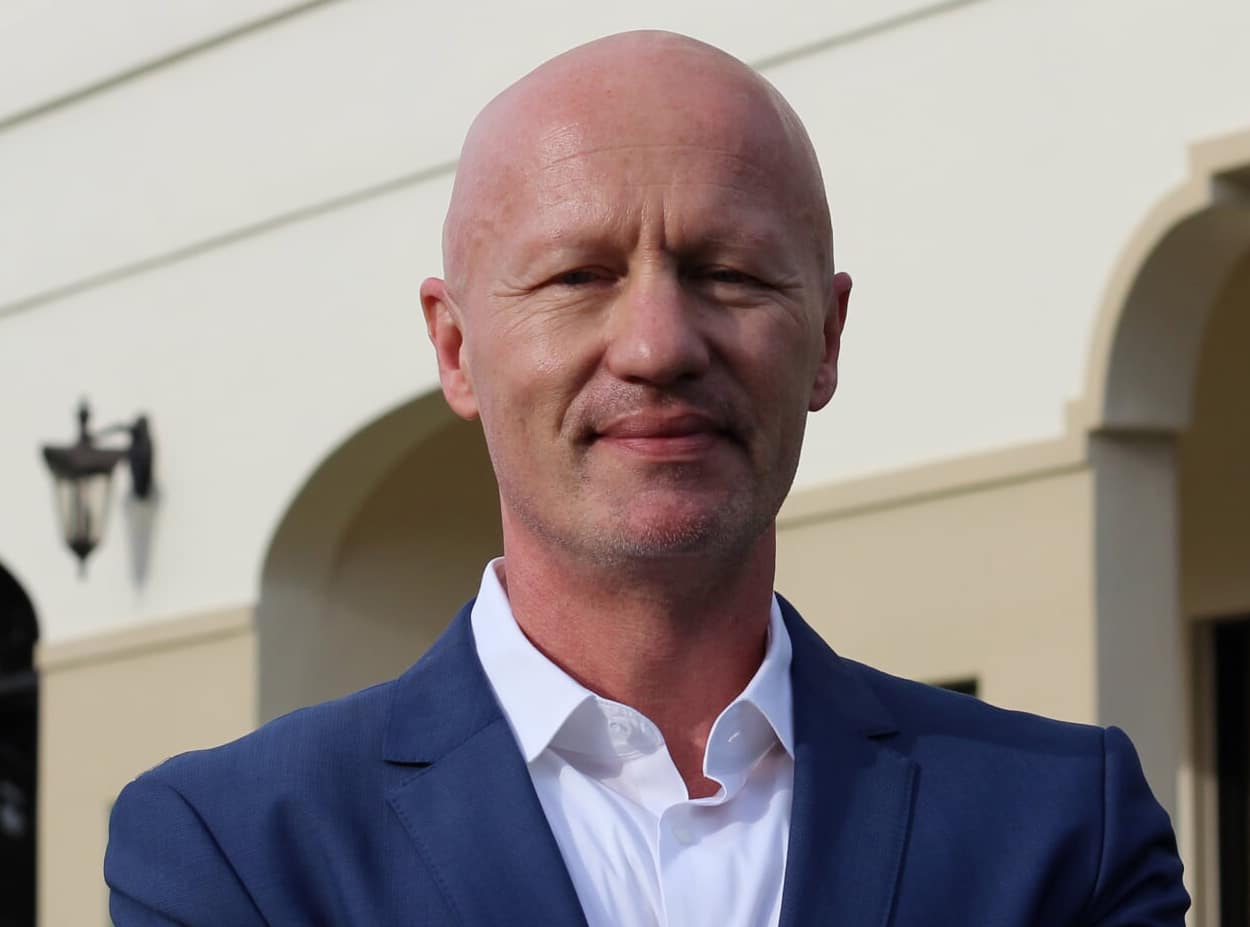
THERE IS NO LIFE ISSUE THAT I CANNOT SHOW YOU HOW TO MANAGE.
Naples Counselor - Dr. Udo Fischer
In a comfortable and supportive atmosphere, I offer a highly personalized approach tailored to each of my clients individual needs to help attain the personal growth they’re striving for.